
برندینگ
What is co-branding? Examining the importance of Co-Branding

co: Co-branding is a strategy in which two brand They work together to market a new product or service. Co-branding means that brands are on the same path to reach a common destination.
co: Co-branding is a strategy in which two brand They work together to market a new product or service. Co-branding means that brands are on the same path to reach a common destination.
For brands, this is like moving on a common path and using the abilities of both brands to get a better result. Given that 71 percent People also like co-branding products more; This cooperation is usually profitable, but many brands avoid this work due to fear of competition or self-conceit.
In this article from New Iran Center magazine, we are going to talk about co-branding and tell you how to get the best out of it and bravely face the consequences.
What is co-branding?
Co-branding is a strategy in which two brand They work together to market a new product or service. This type of cooperation is a strategic alliance and partnership between brands. In co-branding, each brand contributes to the creation of a common product using its identity, logo, personality, color palettes, benefits and unique characteristics; A product that has the color and smell of both brands.
The purpose of co-branding is to use position, market power, Brand awareness, customers' interests, positive public relations and credibility of two or more brands can be used to encourage consumers to increase the frequency of purchases or pay more for a common product. Also, this cooperation can cause The superiority of the new product over similar products to be
In general, the success of a brand in co-branding can guarantee the success of the partner brand. This marketing strategy facilitates business development, increasing awareness and entering new markets.
Brands have another way of cooperation which is known as co-marketing. Let's see how this way of cooperation differs from co-branding.

Co-branding means that brands are on the same path to reach a common destination.
What is the difference between co-branding and co-marketing?
Co-branding and co-marketing both mean brands collaborating to enhance marketing activities, but there are differences in how they do it.
In co-marketing, two brands work together to coordinate and strengthen their marketing activities, but no new product or service is created. This strategy involves sharing resources and advertising without creating a new product. For example, the recent Snap Food campaign with the best restaurants in Tehran with the slogan "Everything is good in Snap Food" is known as an example of Co-marketing campaign.
In co-branding, cooperation means creating a new product or service that is marketed under the name and brand of both parties. In this case, brands collaborate to produce a new product or service, and the brand names are jointly placed on it.

New Balance-Lewis clothing is the result of the collaboration of two successful American clothing brands.
What is the reason for the importance of co-branding?
Collaborative branding is the focus of the world's big brands because of its advantages. These brands always count on this activity and give it a special price.
1. Expanding the brand range
This helps brands to expand their reach by partnering with other brands. In this way, each brand gets access to the audience and followers of the other brand, and this increases the number of customers and fans of both brands.
2. Sharing costs and resources
activities Marketing and Branding It is costly. By using collaborative branding, brands share their resources such as raw materials, human resources and expertise with each other. This helps both the branding and marketing teams to operate more efficiently and reduce costs.
3. Increasing brand trust and customer loyalty
For new brands, cooperation with established brands can help increase customer trust and improve reputation. Also, for established brands, cooperation with new and innovative brands shows a commitment to innovation and an opportunity to introduce new and attractive products to the market.
4. Increase sales and income
Expanding the scope of the audience and increasing trust in the brand can naturally lead to an increase in sales. Also, this cooperation creates new opportunities to generate income from products and services.

Co-branding is the collaboration of two brands from two different worlds to achieve a common goal.
What are the types of co-branding?
Co-branding refers to the collaboration of two or more brands to create a new product or service. This cooperation can be done in different ways, each of which has its own characteristics and advantages. In the following, we will introduce you the types of Ko Branding:
1. Product Co-Branding
In this type of co-branding, two or more brands collaborate to create a new product or service that includes the salient features of each of the brands.
Example: Gucci and Vans brands collaborated to produce and market new Vans shoe models using Gucci design concepts and fabrics.

2. Ingredient Co-Branding
In this type of co-branding, one brand adds its own materials or components to the products of another brand to market a new product or service with distinctive features.
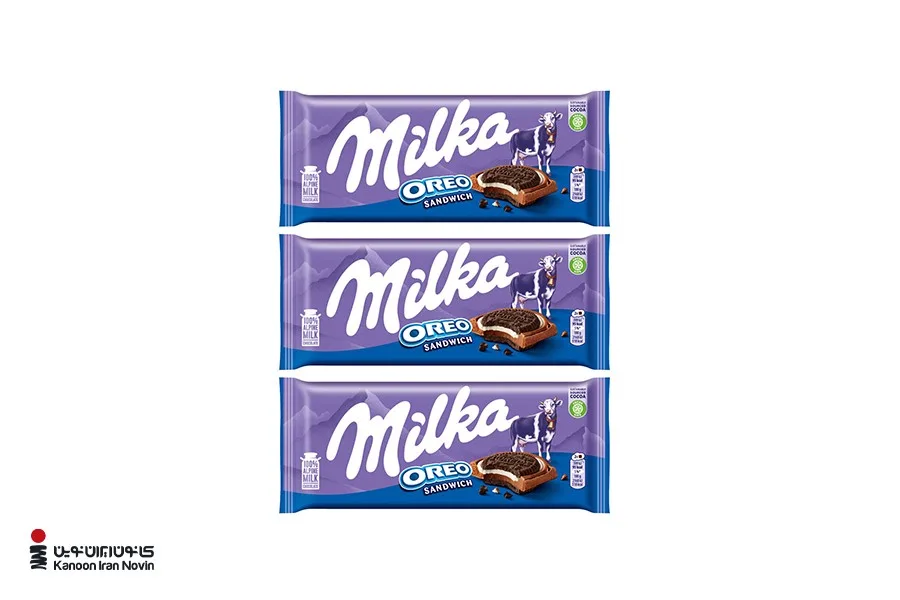
Example:Oreo brand collaboration with Milka brand to use this brand's biscuits in a new chocolate product.
3. Joint Venture Co-Branding
In this model of collaborative branding, several brands establish a company and a new brand to jointly develop different products or services and deliver them to consumers.
Example:The Sony and Ericsson brands jointly established the Sony Ericsson brand to enter the mobile phone market.

4. Complementary Co-Branding
In this type of collaboration, brands with complementary products or services form a mutual partnership to provide a better experience for customers.
Example:The Spotify and Uber brands allow passengers to listen to their favorite playlists on the Spotify app while traveling with Uber.

5. Geographical Co-Branding
In this co-branding model, brands from different regions of the world collaborate with large international brands or smaller local brands to reach new markets.
Example:Brand collaboration IKEA With small design brands in different regions of the world, to produce local products that fit the culture of that region, it is an example of local co-branding. For example, this brand's collaboration with the African brand "Design Indaba" led to the production of a collection called "ÖVERALLT", whose products were inspired by African culture and art.

6. Sponsorship Co-Branding
Sponsorship co-branding is a collaboration where different brands together (in some cases a brand with an event, organization or creative idea) sponsor or organize events to form a shared experience.
Example:One of the prominent examples of sponsorship co-branding is the collaboration between GoPro and Red Bull at the Stratos event. In this partnership, Red Bull served as the event sponsor, and GoPro provided the technology and equipment necessary to record and broadcast the record-breaking free jump from space. This collaboration showcased both brands' commitment to exciting sports and innovation, and increased the popularity of both brands among their target audiences.
Co-branding strategies
Based on opinion Branding and marketing expertsThere are four different strategies for co-branding:
1. Market Penetration Strategy
Maintaining and increasing the market share of partner brands without major changes in brands. This strategy is used to strengthen the position of brands and increase sales and penetration in the current market.
2. Global Brand Strategy
Creating a global brand to serve customers around the world and expanding the presence of the brand in international markets.
3. Brand Reinforcement Strategy
This strategy is designed to strengthen the position and image of the brand in the minds of customers. Brands may use a new name or identity to increase credibility and customer loyalty and improve their position in the market.
4. Brand Extension Strategy
This strategy focuses on introducing a new brand in a new market or product category. Collaborating brands introduce new products or services to the market using the new brand and benefit from the credibility of the existing brands.

Co-branding creates unique benefits for each brand, but it's like walking a tightrope.
Co-branding strategy challenges
Like any other strategy, co-branding also comes with risks that you should be aware of:
- Weakening brand identity: The combination of several brands may weaken the identity of one of the brands and make customers unable to distinguish the specific characteristics of each brand.
- Differences in values and beliefs: If the brands do not agree with each other in terms of values and beliefs, customers may be disappointed with the collaboration and generally distrust both brands.
- Negative effects on reputation: If one brand faces problems or negative reviews, these issues can affect the reputation of other partner brands as well.
- The cost and time-consuming nature of contracts: Setting up detailed and comprehensive contracts for co-branding can be time-consuming and expensive; This is especially difficult for smaller brands to organize.
- Challenges of difference of views: Managing the difference of views and opinions of all stakeholders can be difficult and lead to problems in cooperation.
Example:
- The LEGO brand LEGO and Shell had started a partnership that ended due to Shell's negative reputation for environmental pollution on LEGO's part.
- The cooperation of Nokia and Microsoft brands led to a decrease in the sales of Nokia phones because Microsoft's operating system was not very popular for mobile phones.

Co-branding without the cooperation and help of experts is hard and laborious work.
The beginning of the path of joint branding with the cooperation of the New Iran Center
Forming cooperation between brands and stepping into new directions is not always easy. Many brands with brilliant ideas have sat at the table of cooperation with other brands, but in the end they did not reach the desired result. The reason for this is the challenges and the conflict of interests that can make both sides of the deal conflict. But what is the solution?
In order to succeed in co-branding, one must take various steps such as market analysis, understanding the audience's behavior, predicting trends and formulating a strategy seriously. These steps can guarantee the success of both brands and create a brighter future for them. Perform these steps under the supervision of a Advertising company Professionalism is always easier and ensures the interests of all partner brands.
As the largest advertising company in Iran, Kanoon Iran Navin advertising agency is always ready to be a partner of brands to achieve joint success. You to receive Branding strategy And you can trust the new Iran center to implement it. To start this path and get advice with us contact take
final word; A new path for brands
Co-branding means joining the same path and reaching higher peaks. This strategy provides an exceptional opportunity to expand brand scope, increase customer trust and create attractive and distinctive products. Of course, as we mentioned, this path is challenging and requires careful analysis, smart strategies, and expert help.
If this article was useful to you, share it with your friends and colleagues. Also, your comments and experiences about co-branding are valuable to us. Write in the comments section how this strategy can help your business grow or what successful examples you know. We are waiting for your comments!



دیدگاهها
0هنوز دیدگاهی ثبت نشده است.