
برندینگ
What is branding? A comprehensive guide to branding
branding? a comprehensive guide to branding: In this way, brand is an old concept and what has become important today is branding and implementation of branding strategy.
branding? a comprehensive guide to branding: In this way, brand is an old concept and what has become important today is branding and implementation of branding strategy.
In the distant past, European ranchers used to mark their cattle with a mark on their body to distinguish them from others. This practice was called 'brand' in Old Norse, which means 'to burn'.
But this story was not unique to Europe. In the cradle of civilization, there were signs on the porcelain and earthenware of India, China, and Iran, which seem to have been created to differentiate products and attract loyal customers.
In this way, brand is an old concept and what has become important today is branding and implementation of branding strategy. Now the question that arises is, "What is the point of differentiation?" and "What exactly does branding mean?"
To answer this question, read this article from Kanon Kanoon Iran Novin magazine to the end.
What is the brand?
Mr. Seth Godin (Seth Godin), an entrepreneur and marketing expert, has defined the word (Brand) as follows:
"A brand is a set of expectations, stories and relationships that together make a customer determined to choose a product or service."
brand is exactly the same mark burned on the cattle of old Europeans, which distinguished their cattle. In today's world, the set of characteristics that distinguish your business from competitors is called a brand, which includes your company name, tagline, tone of your brand, etc.
Brand is an old concept and what matters today is branding.
What is branding?
Branding (Branding) is a continuous process to strengthen and cultivate brand identity in the minds of customers. This process includes activities that help increase brand value, recall it in the minds of the audience and effective marketing through digital and traditional methods.
"If the business owner does not tell the story of his brand through branding, everyone will introduce that brand in the market as they want."
We did not say this; Mr. David Brier, one of the great branding experts said! So, to be present in the competitive market, branding is more than obligatory.
Of course, this is not the whole story...
What is the difference between branding and marketing?
Marketing and branding are two completely different concepts but related to each other, their coordination is essential for the success of any business. What is the story now?
Transforming a business into a distinctive brand, maintaining brand personality in products, campaigns and strategies are among branding goals. While the task of marketing is to advertise and increase sales.
Branding is a process that helps you create the following:
- Defining brand personality
- Differentiating the business from competitors
- Improving the internal culture of the organization
- Keeping the brand identity stable in fluctuating conditions
But marketing is responsible for conveying brand values. Key messages and strengths to the target audience. Marketing is constantly changing to align the brand with the new needs and expectations of the market and keep it on the path to success.
Marketing is constantly changing to align the brand with new market needs and expectations.
Why is branding important?
Undoubtedly, your brand is one of the most valuable assets of your organization. A brand gives your business an identity, keeps it in mind, motivates customers to buy from you and supports your marketing strategies.
Among the most important advantages of branding, the following can be mentioned:
1. Influencing the purchase decision
Branding has an amazing power in shaping the mentality of the audience. A strong brand can create a positive impression of a certain quality, value or lifestyle and directly influence purchasing decisions. 71% of customers, especially Generation Z, prefer to buy from a brand they trust.
2. Creating a distinctive identity for your business
Brand is more than a company's products or services; Branding gives your business a unique identity. This identity gives customers an opportunity to connect with your brand's values and personality beyond buying a product or service.
3. Remaining in the minds of customers
Branding makes your business a memorable face; Because its brand is what makes customers easily identify you in any media.
4. Strengthen advertising and marketing
Since the task of branding is to define the brand story and maintain its identity. It is expected that by implementing the branding process, the brand story in advertising and branding messages will be told correctly and make your advertising message more attractive and effective.
5. Creating a sense of satisfaction in employees
Branding does not only give your business an identity; It also strengthens the sense of pride and belonging among your employees. A strong brand not only attracts good customers, but also creates a safe and professional work environment in which employees work with passion; Strong brands make strong teams!
Branding is the only process that makes your brand last in the minds of customers.
The constituent elements of branding
Branding elements include specific and unique features that define the personality of a brand in different dimensions; From the way the team deals with the customer's needs to choosing the font for a promotional email!
These elements form the basis of coherent and integrated brand guidelines that not only differentiate your business, but also convey its personality to the audience and form the right image of the brand in the minds of customers.
The main branding elements are:
- Brand Name: The first thing that shows your identity.
- Logo: A symbol of your brand that remains in minds.
- Color palette: colors that convey emotions and the visual identity of the brand.
- Typography: Fonts that reinforce your brand message.
- Tone and Voice: The way your brand speaks to customers.
These elements, by giving personality to the brand, create a feeling of closeness to the brand and ultimately help to strengthen marketing campaigns.
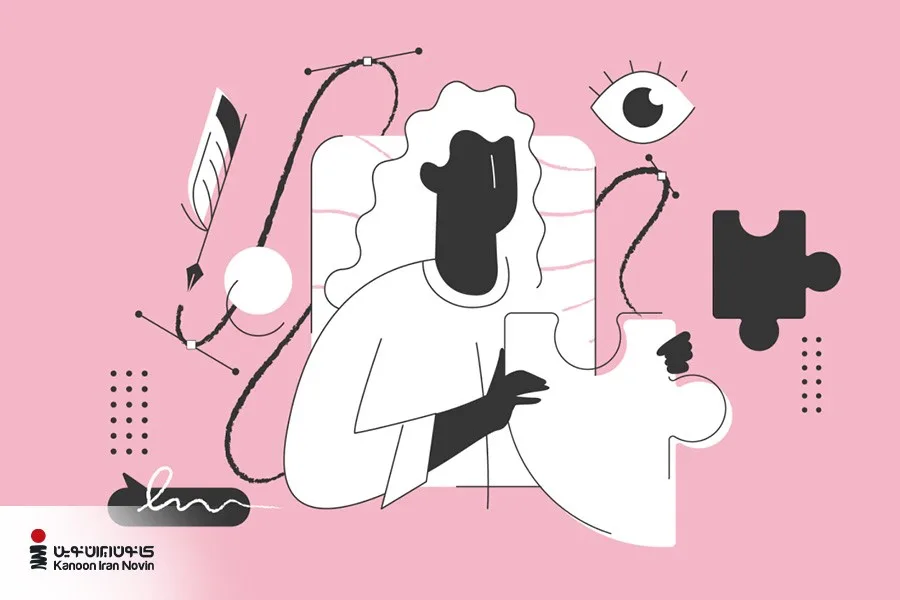
Creating a brand's visual identity is an important part of the branding process.
Types of Branding
Branding has different forms and types, each of which follows its own unique strategies depending on the short-term and long-term goals of the business. In the following, we have examined the types of branding:
1. Personal branding
Personal branding is related to the characteristics, characteristics, perspective and unique behavior of a person. In this type of branding, the main focus of the brand is the person's personality, and the branding process focuses on creating a public and influential image. People like Elon Musk and the Chanel brand are prime examples of personal branding.
2. Product and Service Branding (Product and Service Branding)
In this type of branding, the focus is only on the company's product or service. It all revolves around building a strong reputation and a positive image of the product or service to ultimately convince them to choose your product or service over your competitors by providing logical reasons and creating strong emotional connections in the mind of the audience.
3. Geographic and Cultural Branding (Geographic and Cultural Branding)
Geographic branding focuses on a specific region and takes advantage of the unique characteristics of that region. This type of branding often emphasizes the history, culture or characteristics of the place to make it more attractive.
Cultural branding also focuses its efforts on customs, traditions and aspects related to the lifestyle of the target audience. This type of branding focuses on promoting and strengthening cultural elements such as art, music, language, customs and cultural heritage, and its purpose is to preserve and enhance local culture and create a deeper connection with the audience.
4. Digital Branding
Digital Branding operates entirely in the digital space and focuses on online channels and tools. Since there is no physical store in the digital world, the shopping experience of customers depends on easy access and quality of interactions. Among the important goals that digital branding pursues are the following:
- Creating a sense of trust in customers
- Increasing brand awareness
6 stages of successful branding
Before going to the most basic steps of branding, we suggest you take a notebook and pen and write all your business goals in it; Finally, find a clear answer to the following question:
What effect is your brand supposed to have on customers and the surrounding world?
Now if your answer is ready, let's go to the branding steps!
1. Know your target audience
Branding is successful when it can connect with target audience. If you don't know your customers, it will be impossible to provide an experience that attracts them. However, it is obvious that if your brand does not communicate with the target audience, it will not increase brand trust and sales. To know your target audience, you must be able to give a comprehensive and complete answer to each of the following questions:
- Who is your product or service designed for?
- What features does your customer have?
- Why did you start this business?
Finally, it should be said that researching the target market and knowing the customer persona is the basis for branding decisions that should be prioritized.
2. Define your mission and purpose
"Why did you start your business?"
The answer to this question is the foundation of your mission, which defines your brand's purpose and values. The important thing is that all elements of your brand, from the logo and slogan to the tone and personality, should reflect this stage of branding.
3. Define brand values, benefits and attributes
What makes your brand special and unique are the qualities that no one else can imitate. So focus on the values and benefits that you are sure belong entirely to your brand. To do this, you can highlight all the distinguishing features of your brand. Features that make customers prefer your brand over other brands!
4. Create Your Brand Visual Assets
Now that you've defined your target audience, mission statement, and unique features of your business, it's time for an exciting step! Dealing with visual assets...
This step means designing a logo, choosing a color palette, typography, icons and all visual elements that create and strengthen the visual identity of your brand.
5. Find your brand voice.
Brand voice is an element that expresses the personality of your brand when communicating with the audience. If this voice is not harmonious, attractive and in line with your brand values, it will easily get lost among the messages of competitors. The first step to creating a unique brand voice is knowing your target audience. You can then follow the guidelines below to create a lasting brand voice:
- Coherence and integrity: The brand voice must be consistent and recognizable across all channels, from outdoor advertising to Instagram posts and blog articles. However, as we have different ways of speaking in different groups; The brand can have a different tone according to different channels and media; But it is always the same brand that speaks to the audience.
- Friendly and engaging: Create a voice that makes customers feel comfortable and look forward to future communications from you.
- Clear and distinct: Your voice should be in such a way that it remains in the minds of customers and easily distinguishes your brand from others.
So don't forget that brand voice gives your business a personality that customers can recognize, trust and relate to. This clear and harmonious voice not only attracts the attention of the audience, but also makes them loyal to your brand.
6. Press the button to start your brand!
If you are sure that you have followed all the initial stages of branding, it is time to turn on the branding engine! For this, you should always keep two principles in mind:
- Your branding effects should be seen in all parts of your business.
- Your brand should always be in the customer's sight.
You ask how? With effective and active presence in branding channels! We will examine the most important branding channels in the following.
What is product branding?
Product branding means creating a unique identity for a product or a set of products. This process includes the design of the name, logo and other visual and verbal elements that distinguish the product from competitors and show its value to the audience.
The difference between product branding and corporate branding
Product branding is different from corporate branding. In corporate branding, the focus is on the overall brand identity, while product branding focuses on a specific product or product line. In fact, the purpose of product branding is to make it distinctive and attractive in the minds of customers so that people prefer it to other options when buying. This work requires accurate understanding of the audience and paying attention to the message and benefits of the product.
Why is product branding important?
Branding a product is important because it helps you achieve the following:
- Being known in the market : Branding makes your product distinctive and recognizable among competitors.
- Increase in product value : Audiences are willing to pay more for reputable brands.
- More power in advertising : Branding makes advertising more targeted and effective.
- Increasing business value : A strong brand makes business investment more attractive and its future more secure.
Product branding steps
Product branding means creating a unique identity that will make your product last in the minds of customers. To build a strong brand, follow the following steps:
Accurately knowing the target audience
Before any action, you must know who your product is designed for:
- Do market research to know the needs, interests and purchasing behaviors of customers.
- Understand customer concerns and needs and see how your product can be the right solution.
Determining the unique value of the product
Try to define very well what makes your product different from the competition?
- Identify the distinguishing features of the product. Such as better quality, special design, competitive price, better service, etc.
- Focus on emotional and functional benefits so that customers have a convincing reason to choose your brand.
Integrity and consistency in brand identity
- Maintain and coordinate all brand elements across all product segments.
- Keep your brand identity consistent on all platforms so that the audience does not get confused.

Marketing and Advertising
In order to make the products visible and improve the product branding process, we suggest that you use social networks and other communication platforms to interact with customers. Also, use effective ways such as digital advertising and collaboration with influencers to increase product visibility.
Build trust and increase customer loyalty
- Use customer reviews to build brand credibility.
- Improve the quality of service and customer shopping experience.
- با ارائه خدمات پس از فروش و ارتباط مستمر، مخاطبان را به مشتریان وفادار تبدیل کنید.
Branding channels and communication with audiences
There are many methods and platforms to introduce your brand to the world of competition, and we have introduced and reviewed the most important ones below:
1. Website
A website is the first step to online presence and display a brand's unique personality. This platform is a solid foundation for conveying the brand message, attracting audiences, providing a distinctive experience to users, and building credibility. Having a website is important because most online experiences start with search engines, and organic traffic plays a key role in brand development and increased sales.
2. Social Networks
With more than 4 billion users worldwide, social networks are one of the most powerful communication channels. It is obvious that by having an effective presence in these media and reflecting your brand's image in them, you can help to interact with the audience and strengthen the brand identity.
3. Advertising
advertising is one of the traditional but effective ways to create a brand and promote successful marketing processes. In today's world, advertising is possible in two ways: online and offline:
- online advertising : advertising on Google, websites and social networks.
- تبلیغات آفلاین: تبلیغات از طریق بیلبوردهای تبلیغاتی و رسانههای چاپی
انتخاب نوع تبلیغات به تمرکز مخاطبان هدف و ترجیحات آنها بستگی دارد. According to these features, advertisements are divided into three categories ATL, BTL and TTL. To learn more about these advertising methods, you can read the article we have published about them.
5 important recommendations for lasting branding
If you are at the beginning of the branding journey and have a small business, we suggest that you do not miss these five branding recommendations for small businesses.
1. Think of your brand as a human being.
The best starting point for branding is to think of your brand as a human being. Your brand must have identity, personality, tone, vision and experience. Keep in mind that the purpose of branding is to create an effective communication with the audience. So the more human your brand is, the more effective this communication will be. Always ask yourself these questions:
- Who is your brand and what does it offer?
- How does your brand behave? Formal or intimate and friendly?
- How will the audience feel after their first interaction with your brand?
2. Consistency in branding is the key to success!
The second principle is the importance of consistency and coordination in the branding process. To create trust and permanence in the minds of customers, your brand must work seamlessly and harmoniously everywhere. To do this, create a brand guide that outlines the brand's mission, values, tone, and visual elements.
3. Define brand strategy.
Branding is an ongoing process and requires a clear strategy for long-term success. This strategy should revolve around the purpose of the brand, how customers feel about it, awareness of competitors and employee engagement. The brand strategy should be designed in such a way that it guides the brand towards its long-term goals over time and helps the brand to stay consistent with market changes and customer needs.
To get acquainted with types of branding strategies and how to formulate them, read the comprehensive guide we have published about it.
4. Be an inspiration, not an imitator!
The fourth principle, is to avoid imitation and inspiration. Analyzing your competitors can help you identify their strengths and use them to improve your brand, rather than imitating them! Your brand identity should be unique and consistent with your values and vision. As we've mentioned many times, by using unique colors, images and language, you can set your brand apart from the competition and make a real connection with your audience.
5. Use branding to attract talent!
Branding is not only for attracting customers; It can also help you attract market talent to your team. By showcasing your company's mission, values and culture on your careers page and using social campaigns to share employee experiences, you can show that your company is an engaging and inspiring place to work. This is one of the most important advantages of branding that professionals prefer to work with well-known brands.
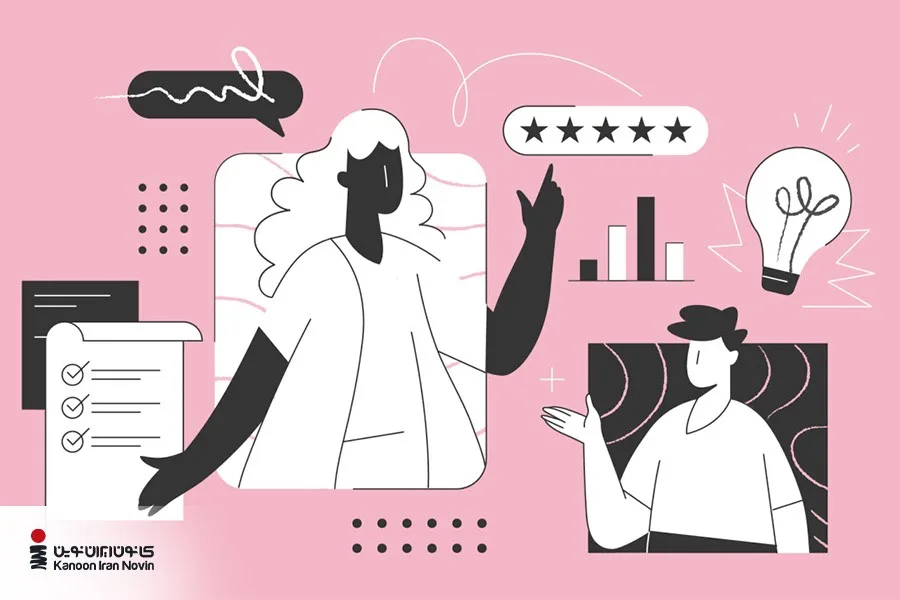
Branding is an ongoing process and requires a specific strategy for long-term success.
some lasting branding examples
Every famous brand that is known today as a powerful and lasting brand has gone through a path full of ups and downs despite many challenges; But the point is that these brands are still popular; And for one reason, the implementation of a successful branding process!
Following the path, we have examined two of the iconic brands that have successful branding:
McDonald's
This popular fast food chain has faced various challenges over the years, from food quality to labor problems. But despite these problems, the McDonald's brand is still popular and when you see its logo, the slogan "I'm lovin' it" comes to mind!
BMW
This luxury car manufacturer is known as one of the most profitable companies in the world. However, in recent years, it has been fined $1 billion by the European Union for its role in the emissions cartel. Despite this crisis, BMW is still at the top in terms of brand recognition and brand value, and in terms of profitability, it is a few steps ahead of its competitors!
Successful branding with Iran's largest advertising company
To implement successful branding, first of all, you need enough knowledge and experience. If you think your team has enough knowledge and expertise to do this, you can start branding whenever you want! If you are looking for a professional and creative team to design and implement your branding process, Kanon Kanoon Iran Novin can be the best choice for you.
Kanun Kanoon Iran Novin, with years of experience in the field of advertising and marketing, offers a variety of digital marketing and advertising services including digital campaign design, online advertising and environmental advertising to its customers. By trusting Iran Navin Center, you can help your business grow and develop. For more information and advice, contact us at , .
Last word!
In today's competitive world, successful branding is not only about creating a unique identity, but also a way to build a deep and lasting connection with your audience. By focusing on a clear strategy, maintaining consistency across all channels, and using a consistent brand voice, you can create an impactful and seamless experience. Do not forget that your brand must be original and flexible to remain resistant to challenges and market changes.
Frequently Asked Questions
What is the purpose of branding?
Branding helps businesses to stand out from competitors, find a distinct identity and stay in the minds of customers. The ultimate goal of branding is to build trust, customer loyalty and increase brand value.
What is the difference between brand and branding?
Brand is what people think about you, how they feel when they hear your name. But branding is the process you go through to create, control and improve that mental image.
What is a branding company?
The Branding Company is a specialist group that helps businesses build their brand identity, differentiate it in the market and implement effective branding strategies. These companies provide services such as logo design, brand strategy, branding content production and advertising.
Is branding a process or a result of marketing activities?
Branding is a continuous process that helps to strengthen and cultivate the brand identity in the minds of the audience. This process continues from creating a visual identity to communicating with customers and maintaining brand values. But the result of this process, that is, the place that the brand finds in the audience's mind, is the result of all these efforts.
What is the main benefit of branding for businesses?
The most important advantage of branding is that it attracts the trust and loyalty of customers. When people trust your brand, they are more likely to buy, and ultimately, branding will increase sales and grow your business.
What is the difference between branding and advertising?
Advertising is a way to introduce and promote your products or services, while branding builds the overall image and identity of your business. Advertising is a short-term message to attract customers, but branding is a long-term strategy to stay in the minds of customers.
What is the meaning of branding?
Branding means creating a specific and distinct image of the brand in the minds of the audience. This image is formed through the name, logo, colors, slogan, values and the way the brand interacts with customers.
What is the difference between branding and marketing?
Branding is your identity and makes the audience feel close to your brand, but marketing is a set of actions that introduce your brand to the market and increase sales. Branding focuses on emotion and loyalty, but marketing focuses on attracting customers and promoting products.
What does branding mean?
Branding means all actions that make your brand form in the minds of customers, last and stand out from competitors. These measures include brand name, design, strategies, advertising and how to communicate with customers.
What does branding mean?
Branding means defining the personality and identity of your business in the minds of the audience. Branding shows customers who you are, what value you offer and why they should choose you.
How to brand?
Branding includes several key steps: 1. Knowing the target audience and their needs 2. Defining the brand's mission, values and message 3. Creating a visual identity (name, logo, colors and font) 4. Developing a brand voice and communication tone 5. Using marketing strategies to introduce the brand 6. Creating a lasting experience for customers
What is the benefit of business branding?
Branding makes: 1. increase the trust of customers. 2. Make your business stand out. 3. Attract more loyal customers. 4. Your ads work more effectively. 5. Increase the value and reputation of the brand.
What is a branding company?
Branding Company is a company that helps businesses to define, design and strengthen their brand identity. Using specialized strategies, visual designs, and targeted messaging, these companies help organizations find a distinct and distinct place in the minds of their audiences.



دیدگاهها
0هنوز دیدگاهی ثبت نشده است.