
تبلیغات
What is retargeting advertising and how is it different from remarketing?

retargeting advertising and how is it different from remarketing: Retargeting means retargeting and remarketing is remarketing.
retargeting advertising and how is it different from remarketing: Retargeting means retargeting and remarketing is remarketing.
If you are dealing with digital marketing and the mysterious world and its tricks, you have probably heard terms like "retargeting" and "remarketing" a lot; Two familiar words that are often used interchangeably, but actually have important and practical differences.
Retargeting means retargeting and remarketing is remarketing. Both methods attempt to re-engage users who have previously interacted with your brand or website; But the path to reach this goal is not the same in them.
If you want to re-attract previous users of your site or sales page and increase the sales of your products or services, don't miss this article from of the Novin Iran Center blog .
What is retargeting advertising?
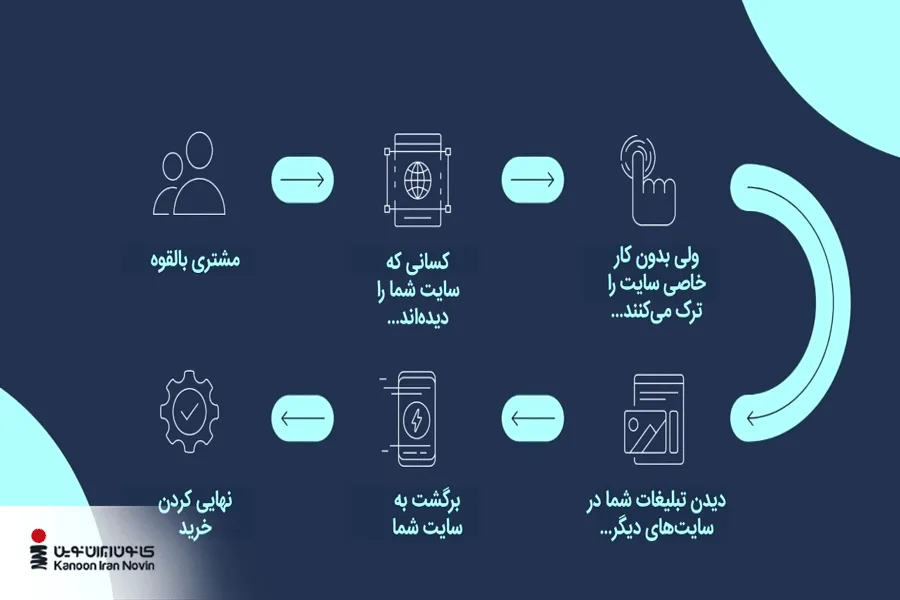
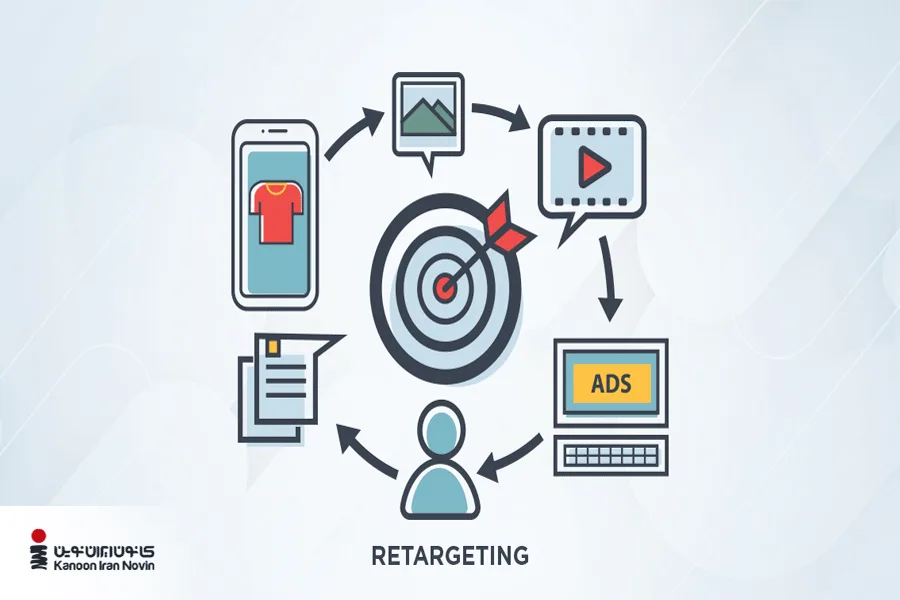
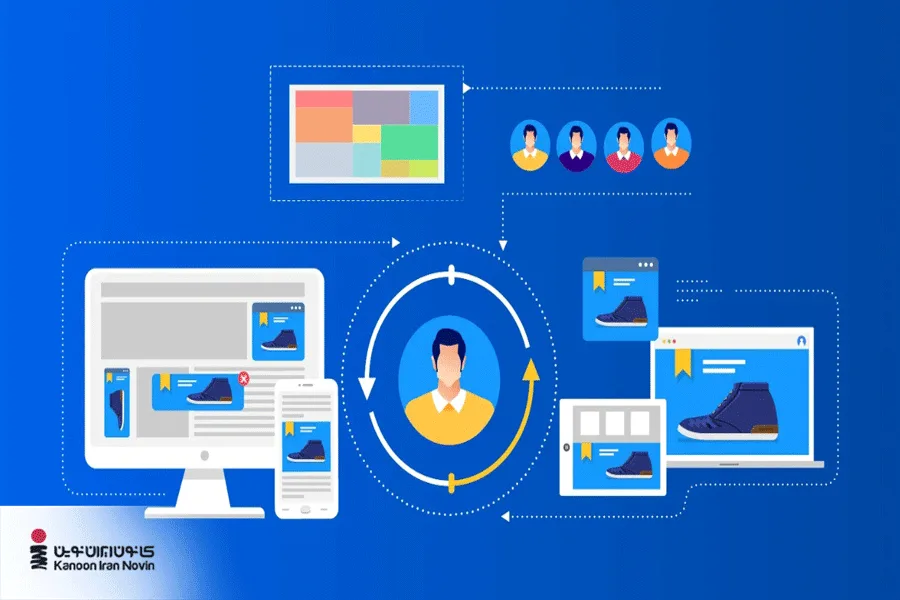
Retargeting means that instead of attracting new users, the advertiser focuses on those who have already taken a step towards engagement. These ads are usually displayed on other sites or social networks for the same user to remind him of the brand and increase the motivation to return and buy in the audience.
In simple language, in retargeting ads, the content of the ads is displayed in a targeted way to those who have already visited a specific site or product and service and had some kind of connection with it.
Therefore, it can be said that retargeting advertising is one of the smartest and most effective online advertising methods that focuses on people who have already interacted with your site or brand in some way.
For example, a user who entered the product page added a product to the cart but did not complete the purchase. These people are already interested in your brand in some way, and retargeting tries to rekindle that interest.
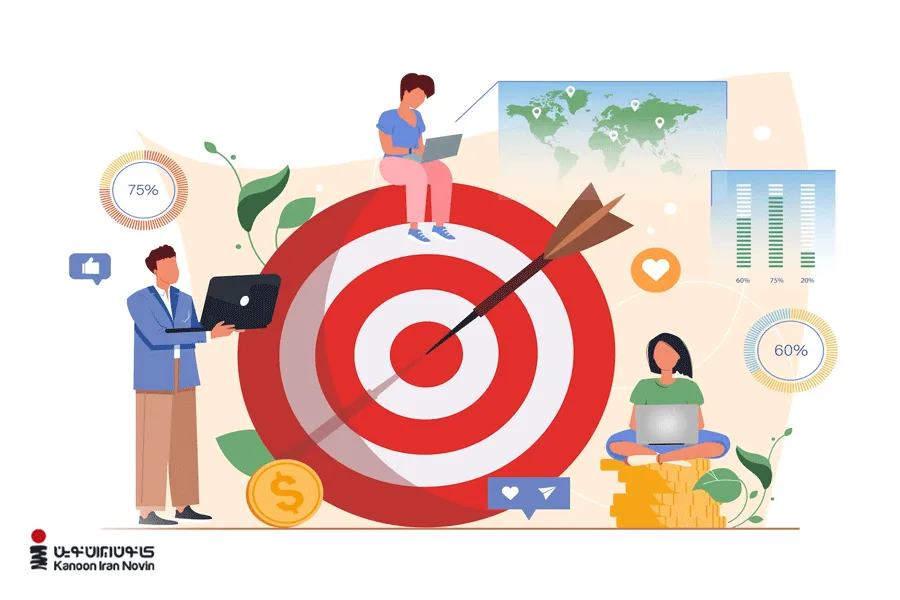
Retargeting ads with the aim of targeting audiences who are familiar with the brand and product and encouraging them to place an order and purchase will increase sales and profit in the shortest possible time for the brand.
Brand-aware audiences are those who, for example, have visited a product page, added something to the shopping cart, or even stayed on the site for just a few seconds, but have not yet taken the final action such as purchasing or registering.
types of retargeting
Retargeting has different methods depending on the type of user interaction with the brand; But in general, they all have the same goal. The goal is clear. Recover lost contacts. But in each method, a different path is taken to reach this goal. In the following, you will learn about the most common types of retargeting:
1. Retargeting based on visiting the site (Site Retargeting)
This model is the most common form of retargeting. When a user enters your site, a cookie or special tag is stored on his browser. After that, even if he leaves your site, your ads will be shown to him on other sites.
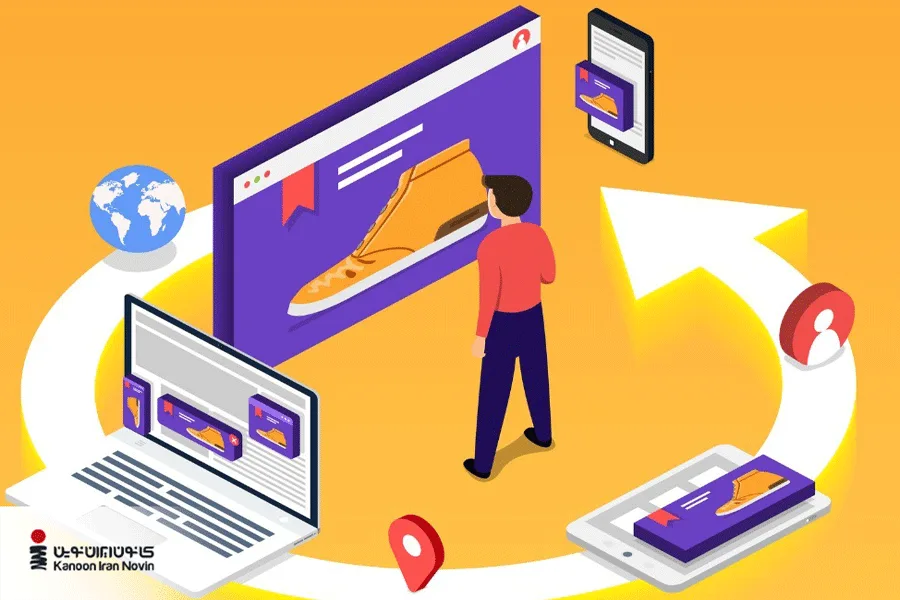
For example, suppose someone enters the page of a certain product in your store but does not buy; With retargeting, the same person may see your product ad again while reading an article on a news site or browsing the web on other websites. This clever reminder will increase the likelihood of him returning to the site.

2. Dynamic Retargeting (Dynamic Retargeting)
In dynamic retargeting, the advertisements displayed to the user are personalized based on their precise behavior. If, for example, a user has seen a smart watch of a certain brand and model on your site, the ad that will be shown to him later will contain exactly the same product or similar products.
This type of advertisement is usually made with the help of platforms such as Google Ads or Meta Ads, and its effect will be greater than general advertising, because it is aligned with the real interests of the user.
3. Search Retargeting (Search Retargeting)
In this method, users are targeted who have searched terms related to your field of work in search engines such as Google, even if they have not yet entered your site.
For example, if someone searches for the phrase "best travel insurance" and you operate in this area, you can reach them with search retargeting ads. This method helps leads who don't know your brand but need your products to get to know you.
4. Social Media Retargeting (Social Media Retargeting)
Users in social networks scroll very quickly and may see a post or story, but do not show a specific reaction. In social network marketing , retargeting is done based on user behavior in networks such as Instagram, Facebook or LinkedIn.
In this way, users who previously only had a cursory glance at your product or content on social networks will see the same product ad in their feed again, this time targeted. This clever repetition makes previously superficial or incomplete interactions lead to more serious actions such as clicks, revisits or even purchases.
5. Retargeting based on email (Email Retargeting)
Suppose a user opens your advertising email and clicks on a link in it, but does not make a purchase or registration. In this case, he will enter the retargeting campaign and from then on, he will see targeted ads of your brand on different platforms such as other sites or even social networks.
Email retargeting is especially useful in store email campaigns and gives incomplete campaigns a second chance.
6. App Retargeting (App Retargeting)
If you have designed an app for your business, this model can target users who have installed the app but are no longer active or have left a process such as a purchase unfinished.
Let's say someone enters your app, browses a few products, but doesn't place an order. With the help of app retargeting, you can bring them back to the app with personalized ads and complete the purchase process. This type of retargeting is very important for brands that care about continuous interaction with users and creating a sense of loyalty.
Difference between retargeting and targeting
Targeting means primary targeting; That is, you are trying to show your ads to a specific group of people who are likely to be interested in your product or service. For example, if your business is in the field of selling sportswear and equipment, you will show your ad to people who are looking for sports or sportswear.
Simply put, this stage is like when you are at a party looking for people who might like to talk to you.
But retargeting means when a person has already met your site or brand, but has not done anything yet, you go to him again and purposefully and with more chances to attract and increase the conversion rate and remind him that your product or service is still available for him.
It's like in the same party, when someone gave you half a look but didn't say anything, you call him again and in a more special way and get his attention.
So targeting is to attract new audience and retargeting is to bring back those who are already familiar with you. Both together help the business grow, but each has a different role and time.
The difference between retargeting and remarketing
In many marketing situations, these two terms are used with the same meaning and are often used interchangeably; But their meanings are different and the methods of retargeting and remarketing are different.
The difference between retargeting and remarketing is that retargeting focuses more on digital advertising and remarketing on direct and more personal communication with previous customers. Although both methods help to bring back and retain customers, they use different methods.
in summary and to better understand this difference, it is better to have a look at the following table:
| Feature | Retargeting | Remarketing |
| Type of interaction | Online advertising (banner, display) | Email, direct message, etc. |
| common tool | Google Ads, Facebook Ads | Email Marketing, CRM |
| Based | Cookies and User Behavior | Previous Customer Data |
| Main objective | Reattract website visitor | Retain or return previous customer |
| Audience | Previous customers Your business | People who visited your business on different platforms |
| Cost | Less cost | More cost |
| Targeting Method | Visitor Activity on the Internet | customer purchase history |
similarity of retargeting and remarketing
retargeting and retargeting both of Digital marketing strategies are aimed at re-engaging users who have previously interacted with a brand or website, but have not yet made a purchase or action.
These two methods have many similarities and as we said, sometimes they are even used interchangeably. Their most important similarity is that both operate on the basis of users' behavioral data; That is, they target users based on their previous visits, clicks or interactions.
In both methods, personalized ads are shown to users who are more likely to return to the site and take the desired action, such as making a purchase, registering or filling out a form. Also, in both strategies, the ultimate goal is to increase the conversion rate (Conversion Rate) and return on investment (ROI).
In addition, both use tools such as cookies or email marketing to identify and track users. Therefore, it can be said that their difference is mostly in the implementation technique or advertising platform, but they are very close in terms of the purpose and logic behind the story.
Advantages of retargeting
We can say that the most important advantage of retargeting is increasing the return on advertising investment. But in general, retargeting advertising is not just a marketing method; Rather, it is one of the most effective tools for converting hesitant visitors into actual customers.
In the following, we mention the important benefits of retargeting, which makes this method have a special place in digital marketing campaigns:
1. Increasing the conversion rate (Conversion Rate)
One of the biggest advantages Retargeting is conversion rate significantly increases When a user shows interest in a product or service, he is more likely to make a purchase in the second or third encounter. This purposeful repetition strengthens the final decision.
2. Strengthening brand recognition and recall (Brand Recall)
A user who has already entered your site, even if he did not buy, is still familiar with your brand. Retargeting helps turn this superficial familiarity into a lasting mental image. Repetition of brand advertising on different platforms makes your brand stay in the audience's mind.
3. More accurate and smarter targeting
In retargeting advertising, the audience is not random. You target exactly those who have had a certain behavior on your site; For example, they saw a product, did not fill out the registration form, or left the purchase half-finished.
This smart targeting about target audience saves ad budget.
4. Save on advertising costs
Compared to broad and general advertising campaigns, retargeting usually has a higher rate of return on investment (ROI). Because instead of cold audiences, you invest in semi-warm or hot users; That is, those who have already interacted with your brand in some way.
5. Increasing user engagement (Engagement)
By displaying relevant and personalized ads, the probability of user engagement with the brand increases. Users feel that the ad is designed for them, not just a generic ad, and this feeling increases clicks, sign-ups, or even following the brand on social networks.
6. Support for different stages of the marketing funnel
Retargeting is not just for the final purchase stage. It can be used in more elementary stages as well; Like when a user has only read one article on your blog. With a suitable campaign, it is possible to guide him step by step towards the purchase.
7. Flexibility in implementing campaigns
Retargeting can be implemented on various platforms such as Google, Facebook, Instagram, LinkedIn and partner websites, especially when conducting campaigns. This variety of channels gives brands great maneuverability to be exactly where their users are.
8. Improving the results of other campaigns
If you use retargeting in addition to the main advertising (such as a cold recruitment campaign or email marketing), your overall results will be better. Because users who have had an initial interaction with the brand may respond more positively with a timely reminder.

Retargeting
Retargeting means determining a specific group of users who have previously interacted with your brand or site and you intend to re-engage them with targeted advertising.
For example, let's say someone entered your online store and looked at some bag models but didn't buy. With retargeting, you can re-display ads of the same model of bags or similar offers to that user to increase the chances of buying.
Retargeting tools
Various tools are used to implement retargeting, the most famous of which are advertising platforms such as Google Ads, Facebook Ads, and also specialized retargeting systems. Also, among the Iranian examples of these tools that have easy access for domestic users, we can mention Yektant, Saba Vision, and Tapsel.
These tools use cookies or user IDs to identify target users and show them relevant advertising. For example, if a user has seen a product on your site, with the help of these tools, you can show him product ads on other sites and social networks.
Retargeting goals
Retargeting goals are usually to increase the conversion rate, improve the return on investment rate, and strengthen brand awareness, etc. By retargeting interested users, brands are trying to get them to do what they want, such as buying or signing up.
For example, the goal of an online store may be to increase sales, and the goal of a service site may be to attract more loyal customers. In any case, retargeting helps to maintain contact with previous audiences and achieve better results in advertising.
- Increasing conversion rate: Encouraging interested users to perform the desired actions such as purchase or registration.
- Improved return on advertising investment ( ROAS ): Optimum use of advertising budgets by focusing on already engaged audiences.
- Enhance brand recognition: Increase brand awareness and credibility in the minds of audiences who have already been in contact with it.
- Keeping in touch with previous audiences: Reminding users of the brand who have already visited and directing them to the next stage of the sales funnel.
- Increase completed purchases: Especially for online stores that aim to increase purchase volume.
- Attract more loyal customers: For service websites looking to retain and build loyalty.

Retargeting in various advertising networks
Retargeting can be implemented in several platforms such as Google and even specialized advertising networks. Each network has its own features and capabilities that can help businesses have targeted and effective advertising.
For example, on Facebook and Instagram, you can show attractive image and video ads to users who are already familiar with your brand, and on Google, you can have text or banner ads on related sites.
Best Strategies for Running Retargeting Campaigns
Having the right strategy is critical to success in retargeting. For example, segmenting users based on their type of interaction (such as visiting a product page, adding to cart, or abandoning cart) helps deliver more targeted and personalized ads.
- Audience Segmentation ( Audience Segmentation ): categorization of users based on their behavior such as visitors to specific pages, cart abandoners or those who interacted only once.
- Use of personalized content: Display ads that are aligned with a user's need, behavior or interest to increase conversion rates.
- Using the right time window ( Retargeting Window ): Choosing the right time period for retargeting, depending on the type of product or service.
- Limiting the frequency of ad display ( Frequency Capping ): Prevent user fatigue by limiting the number of times the ad is displayed per day or week.
- Designing creative and attractive ads: Using images and messages that compel the user to click or buy.
- A/B test Campaigns: Compare different ad versions to identify the most effective message or design.
- Use of various platforms: Run the campaign on different channels such as Google, Facebook, Instagram or display networks for wider coverage.
- Track and analyze results: Review campaign performance through tools such as Google Analytics or Meta Ads for continuous optimization.
Common Mistakes in Retargeting
Although retargeting is considered one of the most effective digital advertising methods, its incorrect implementation It can have the opposite result. Below are some common mistakes that may occur in this way:
1. Showing too many ads to the same users
One of the biggest mistakes is to show too many retargeting ads to one user. This may annoy him and even have a negative effect on his mentality of the brand.
Instead of bombarding with ads, it is better to limit the frequency of showing ads to each user.
2. Misclassification of users
When you put all users in one group, you practically miss a golden opportunity to personalize ads. For example, someone who has only seen the main page of the site and someone who left his shopping cart half-finished, definitely has a different behavior and goal. If you do not have a separate message for each group, your campaign will not have the necessary effect.
3. Using repetitive or general messages
When the content of the ad is the same for everyone or the ad messages are repetitive and automatic, users will not pay attention to it. Messages should be personalized, both textually and visually.
4. Ignoring the Timing of Showing Ads
Showing ads at the wrong time, such as too early or too late after user interaction, reduces effectiveness. Suppose a user saw a product today, it's better to see the ad a few hours later, not a week later when he's probably made up his mind.
5. Wrong targeting of pages or user behavior
Sometimes a product advertisement is displayed to a user who has not shown any interest in it. This usually happens when the pixels, tags or target URLs are not set up correctly.
6. Ignoring user experience after clicking
Even if you create a good ad, but the user faces an incomplete, slow or irrelevant page after clicking, the whole effort of the campaign is lost. A good and relevant landing page is an important part of the success of retargeting campaigns.
7. Retargeting to customers who have purchased
One of the simple but common mistakes is that the user sees the same ad again after the purchase! Such advertisements are not only useless, but also convey the feeling of the brand's indifference to the user experience.
It is better to put previous customers in a separate list and give them better offers like buying complementary products with purchase history.
8. Mobile Ignore
Many campaigns only sync with the desktop version. While most users use mobile and if the ad or landing page is not optimized for mobile, the click and conversion rate will decrease drastically.
9. Not having a clear goal for the campaign
Many times the retargeting campaign is only implemented because it "should be"; Without specifying exactly what is the purpose of it?
This lack of purpose makes the success criteria unclear and the results cannot be evaluated.
10. Do not analyze the data
Retargeting campaigns are not like an autopilot system that is set up once and that's it. If data is not regularly reviewed (such as click rate, conversion rate, cost per conversion, etc.), optimization opportunities are lost.
Comparison of retargeting with other digital advertising models
Compared to general advertising or primary targeting, retargeting is more accurate and effective because it shows ads to people who have already shown interest. have given
Generic ads may be shown to completely new and unknown people who may not have any interest in the product. While retargeting is focusing on people who have interacted once and have a higher chance of converting.
Is retargeting right for all businesses?
Although retargeting is useful for many businesses, it is not always the best option. Businesses whose customers make quick decisions and have short interactions may have less need for retargeting.
Also, if there are no financial resources or expert team to properly manage retargeting, the desired result will not be achieved. For this reason, the needs and conditions of the business should be carefully examined before starting.
How to launch a successful retargeting campaign?
Running an effective retargeting campaign is more than putting up a pixel and designing a few banners. This process should be implemented with accurate targeting, proper understanding of the audience and intelligent choice of the channel. Next, we review the process of building such a campaign step by step:
1. Determining the campaign goal
The first step is to determine what you expect from retargeting. Do you want to encourage previous users to visit the site again? Or are you looking to convert an abandoned cart into an actual purchase?
If your goal is to increase brand awareness, design an ad that focuses more on your brand identity, slogan, or value proposition. But if your intention is to increase sales or registration, it is better to have clear call-to-action messages.
2. Know and categorize your audience
In retargeting, you are dealing with target audience who have already interacted with your brand. This means you have basic information and can target more precisely. It is better to separate users based on these:
User behavior on the site: for example, those who have seen only one page should not be grouped with those who have gone to the payment page but not purchased.
3. Duration of last visit
Advertisement for someone who entered the site yesterday should be different from someone who visited three weeks ago.
Existing customers
Some retargeting campaigns are designed to build loyalty or resell to previous customers. In this case, connecting CRM data can help better design the message.

4. Choosing the right channel
Each advertising platform has its own capacity to implement retargeting. Depending on the behavior of users and the type of product or service, one of these platforms can be chosen or several can be used in combination; Such as Google Ads or using the retargeting services of Yektan, Saba Vision, Tapsel, etc.
5. Message design and advertisement content
The message displayed in retargeting must be accurate, attractive and related to the user's previous behavior. For example, if a user has seen a certain product but not bought it, an ad showing the same product at a limited discount can be more effective than a generic banner from the brand.
Also, don't forget to A/B test the most effective messages, colors, or call-to-action (CTA) buttons.
6. Continuous monitoring and optimization
Launching a campaign is not the end of the job. You should regularly review and analyze the data:
What users are clicking? What message has the highest conversion rate? What is the bounce rate or number of impressions? With this information, you can manage budgets, rewrite messages or even optimize audience categories.
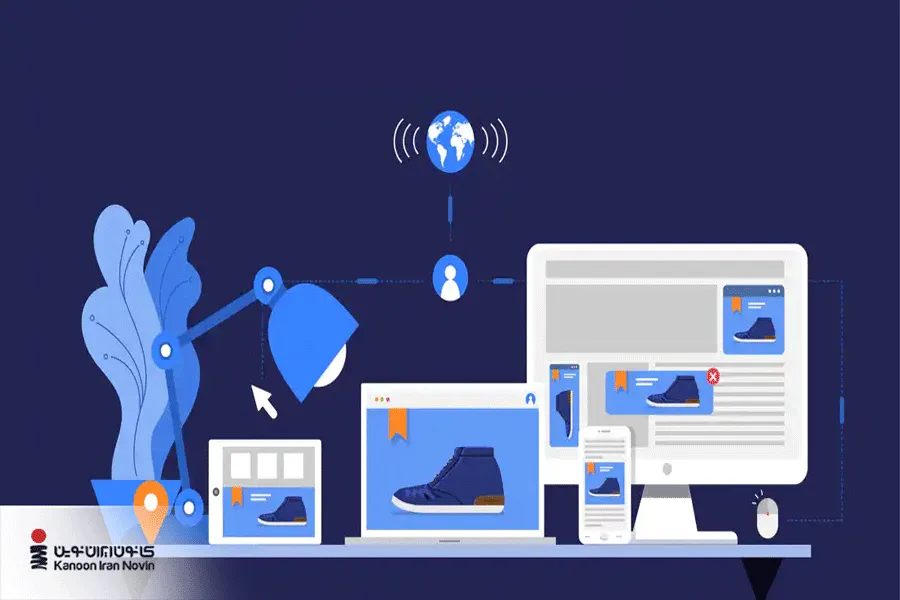
Success in the retargeting campaign, by choosing a reliable agency
When the user enters your site or page but does not make a purchase, you should not lose him! Retargeting is the art of returning potential customers to the purchase path. With the help of Iran Navin Center, you can design retargeting campaigns that are not only accurate and targeted, but also intelligently attract the user to your brand again at the right moment, with the right message and in the right place.
Kanon Kanoon Iran Novin , with extensive experience in designing retargeting campaigns for prominent brands, will help you to increase the conversion rate, optimize the cost of advertising and increase user interaction dramatically. If you want to be one step ahead in the digital market competition, contact us now to launch your own retargeting campaign.
The Last Word
Retargeting is one of the most effective digital advertising methods for businesses that have somehow already introduced users to their products and services and now need to motivate and encourage them to convert them into customers.
This method helps to re-engage these users by showing them targeted ads and bring them one step closer to the final conversion.
As we said, with the right use of retargeting, you can increase the conversion rate, optimize the cost of advertising and form a more effective communication with potential customers. Of course, the condition of success in this path is knowing the target audience, using the right tools and avoiding annoying repetitions.
FAQ
What is retargeting advertising?
is a digital marketing method that aims to show ads to users who have previously visited your site or app but have not taken any action.
What is the difference between retargeting and marketing?
Retargeting focuses mostly on digital advertising, while remarketing can also include email and other follow-up methods. in cost> The type of audience, tools and methods are also different.
What tools are used for retargeting?
tools such as Google Ads and advertising services such as Yektant, Sabavision and Tapsel are used for targeting.
What does retargeting sales mean?
Retargeting sales means increasing sales by using targeted ads to users who have already shown interest in your products or services but have not finalized their purchase. This method makes it possible to regain lost sales opportunities. For example, if a user has placed an item in the shopping cart but not completed the purchase, retargeting ads will remind them to complete the purchase, which will ultimately increase your sales.
What are the most common mistakes in retargeting?
Over-advertising to the same users, using repetitive or generic messages, mis-segmenting users, ignoring ad display timing, retargeting to customers who have purchased.
Is retargeting cheaper or remarketing?
Retargeting costs less than remarketing.



دیدگاهها
0هنوز دیدگاهی ثبت نشده است.